
A simple guide to stablecoins, why U.S. regulation matters, what the GENIUS Act changed, and what normal users should check.
Quick answer
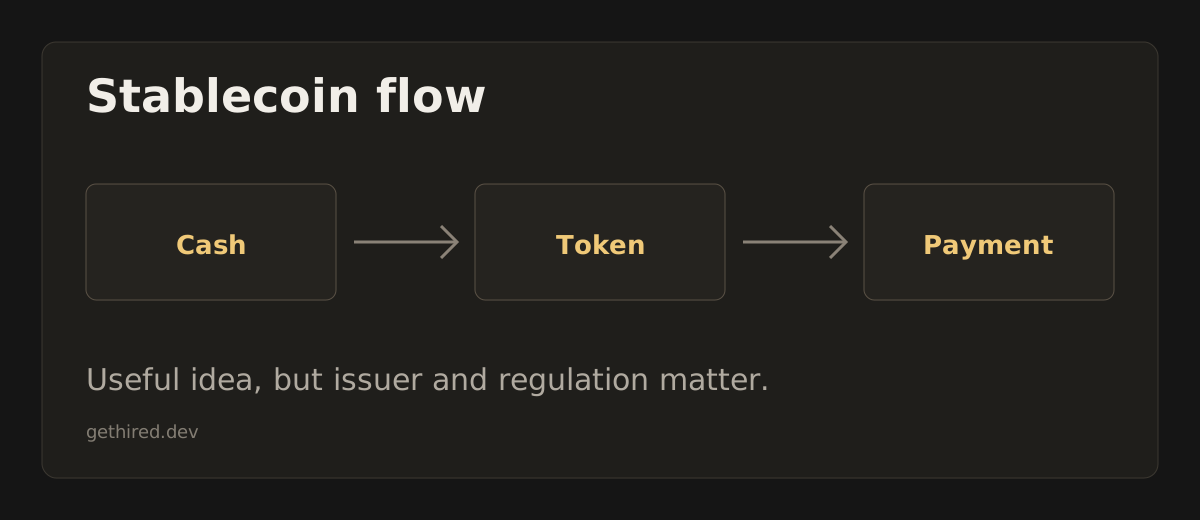
A stablecoin is a crypto token designed to track another asset, usually the U.S. dollar. Regulation matters because users need to know who issued it, what backs it, and what happens if something goes wrong.
Why people are searching this
Stablecoins are trending because they connect crypto with payments, banks, remittances, and digital commerce. The U.S. GENIUS Act created a framework for payment stablecoin regulation.
Who this is for
This is for curious readers who want the plain meaning of crypto news before trusting a platform, token, or social media thread.
The simple way to understand it
| Question | Why it matters |
|---|---|
| Who issued it? | Issuer quality affects trust |
| What backs it? | Reserves should be understandable |
| Can it be redeemed? | Users need a path back to dollars |
| Is it regulated? | Rules affect risk and accountability |
a simple example
Suppose a platform says a token is backed by real assets. Do not stop at the phrase. Ask who holds the asset, how redemption works, what fees apply, what jurisdiction controls the claim, and what happens if the issuer fails. The answer may still be interesting, but now you are looking at the real risk instead of the marketing line.
What to do next
- Use stablecoins only through platforms you understand.
- Check issuer and reserve information.
- Do not treat stablecoins like insured bank deposits unless rules clearly say so.
- Keep large savings in safer accounts.
Quick checklist
- What is the downside?
- Who benefits if I act quickly?
- What source can confirm the claim?
- What happens if I wait one day?
- Does this fit my actual budget or plan?
Mistakes to avoid
- Assuming stable means risk-free.
- Ignoring fees and network risk.
- Using a token because it is popular without checking redemption.
Final takeaway
Stablecoins can be useful payment rails, but the boring details matter most: issuer, reserves, redemption, and rules.
This is educational information, not personal financial advice.
Discussion
What would you try, change, or challenge after reading this guide? Specific results and errors help the next reader.
Comments will load as you reach this section.